


Marine Engine Oil Analysis | What is it | BenefitsJune 16, 2014
Marine Engine Oil Analysis – Recommended at time of Pre Purchase Inspection
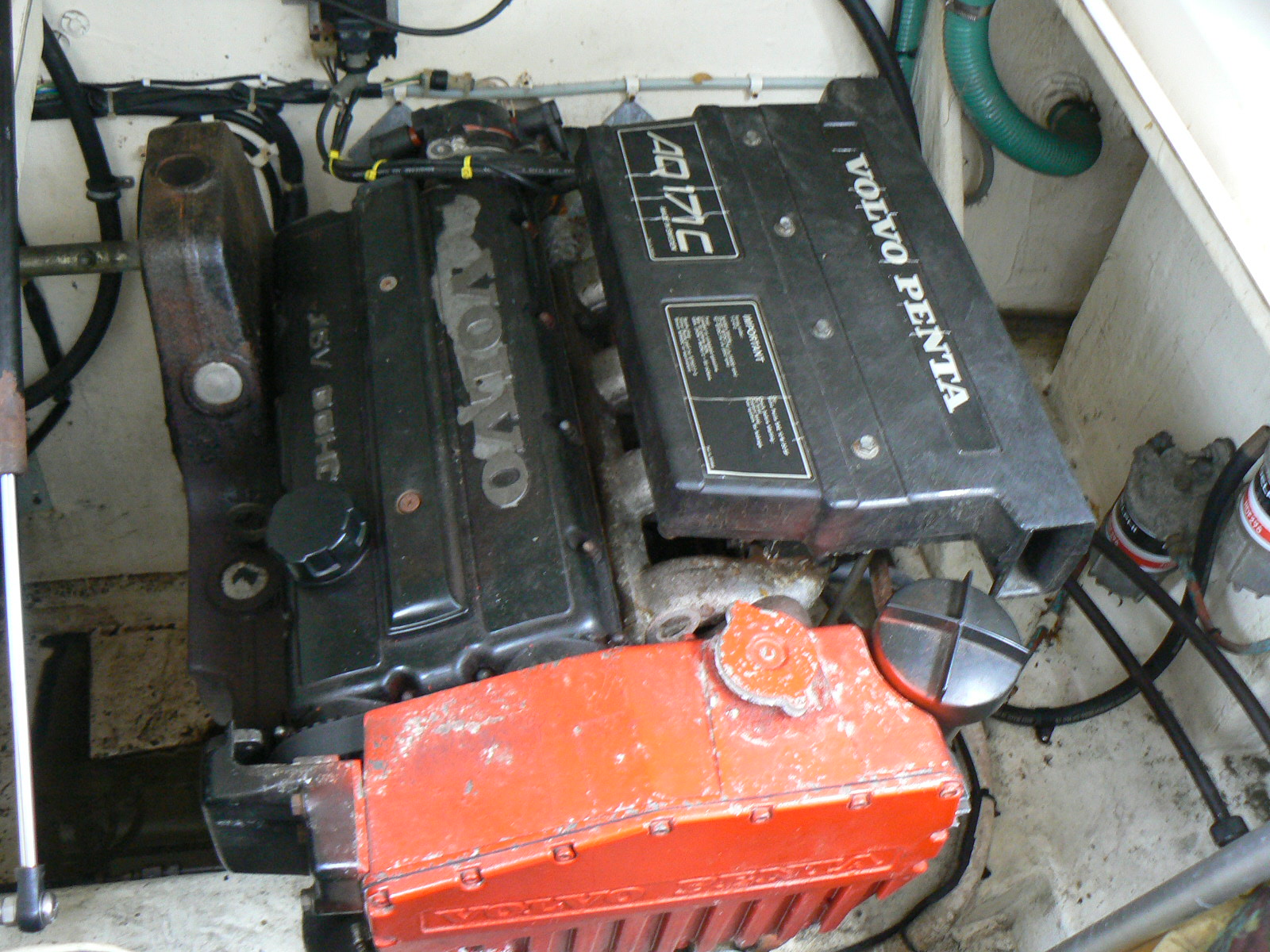
Engine Oil Analysis – To be recommended at time of a Pre Purchase Survey, certainly on all motor boats where the engine is more than about ~ 10-15 years of age (and/or) where the hours are quite high (and/or) where there is no complete service record
To protect yourself from potentially expensive repairs why not get an engine health check at the same time as the pre purchase survey inspection.
Remember without an engine your boat goes no where
Engineering & Oil Inspections – Marine Oil Analysis carried out to ISO 9001: 2008 standards
Engine(s) visual ONLY inspections are carried out on yachts and power boats
As surveyors (not technical engineers) we visually inspect marine engines and generator installations during our inspections, and where possible the engine is run up to access its general running characteristics, vibration levels etc. No dismantling of the engine or associated equipment is carried out within the scope of a condition survey so no detailed comment upon the internal parts is possible.
As we are unable to comment on the internal condition of the engine(s). It is therefore always strongly recommended that the engines(s) are examined and further tested by a competent marine engineer familiar with the make and type of machinery installed.
On larger power vessels the engine represents a large part of the vessels value and is fundamental to safety. The above visual examinations will be carried out where possible but we will probably recommend a full engine trial to put the engine(s) through their paces.
On most engines, oil analysis may be a worth while investment as it can tell a trained marine engineer a lot about the engines internal condition.
Fee £ 95.00 inc per engine sample analysis (less £15 if undertaken at same time as vessel inspection)
It represents very good value compared with the cost of rectifying damaged engines.
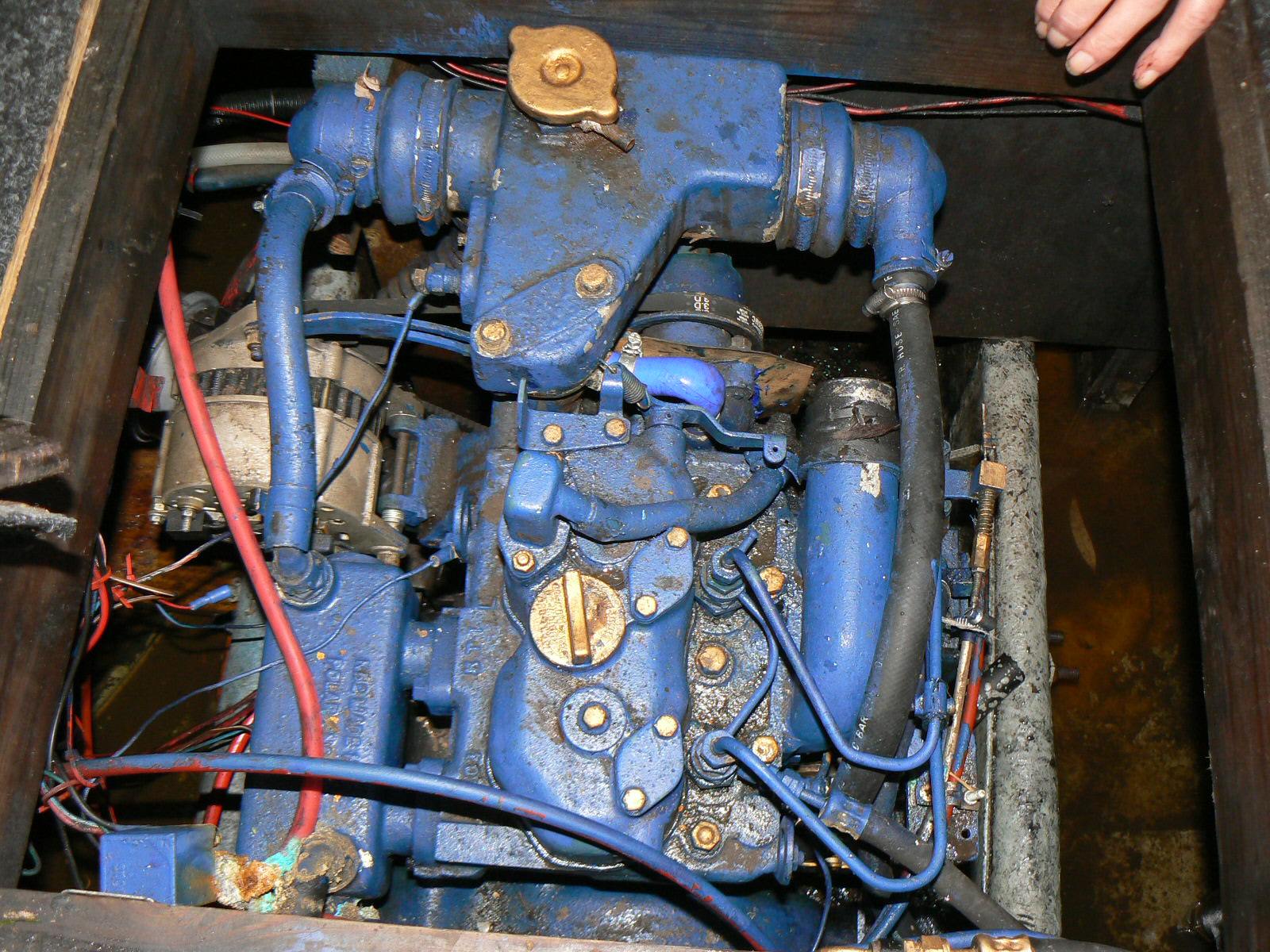
Oil Analysis is one of the most useful and important maintenance support programs available.
- Detects problems early, so actions can be taken before they become major failures.
- Helps schedule downtime to fit the workload.
- Monitors positives as well as negatives, so you won’t have to pay for repair of components that are not worn out.
- Allows you to monitor maintenance schedules to verify that routine maintenance has been performed.
- Enables you to better manage budgets by predicting repairs, downtime, and equipment life.
- Helps you develop a complete service history for each machine. This proves invaluable when evaluating performance and planning replacement purchases.
- Documents service history for a higher price at trade-in or sale.
For maximum protection, you need oil sampling for all major oil lubricated systems (engine, transmission, hydraulic system and final drives) and coolant sampling for your cooling systems. By pinpointing trouble early, you can avoid unplanned repairs or catastrophic failures.
Our Marine Engine Oil Analysis Laboratory operates to ISO 9001:2008 standards and meets all manufacturer warranty requirements. The Laboratory can provide analysis for all types of synthetic, mineral & bio-degradable oils ,engine oils, gas engine oils, hydraulic oils, transmission oils, gear oils, transformer oils, coolants, grease, cutting fluids, water based oils, glycols emulsions, diesel fuel, fuel and biodiesel etc.
For more detailed information on Oil Analysis Samples Visit
For more information contact European Marine Services Ltd. Marine Surveyors & Consultants
EMS also undertake Boat Safety Inspections & Engine Inspections
www.europeanmarinesurveys.com
Tel: 01603 327 123
Boat Sales ‘Sold’ or ‘Not Sold’ – Expert Witness
Attention Boat Brokers / Sellers & Buyers – Sale Particulars
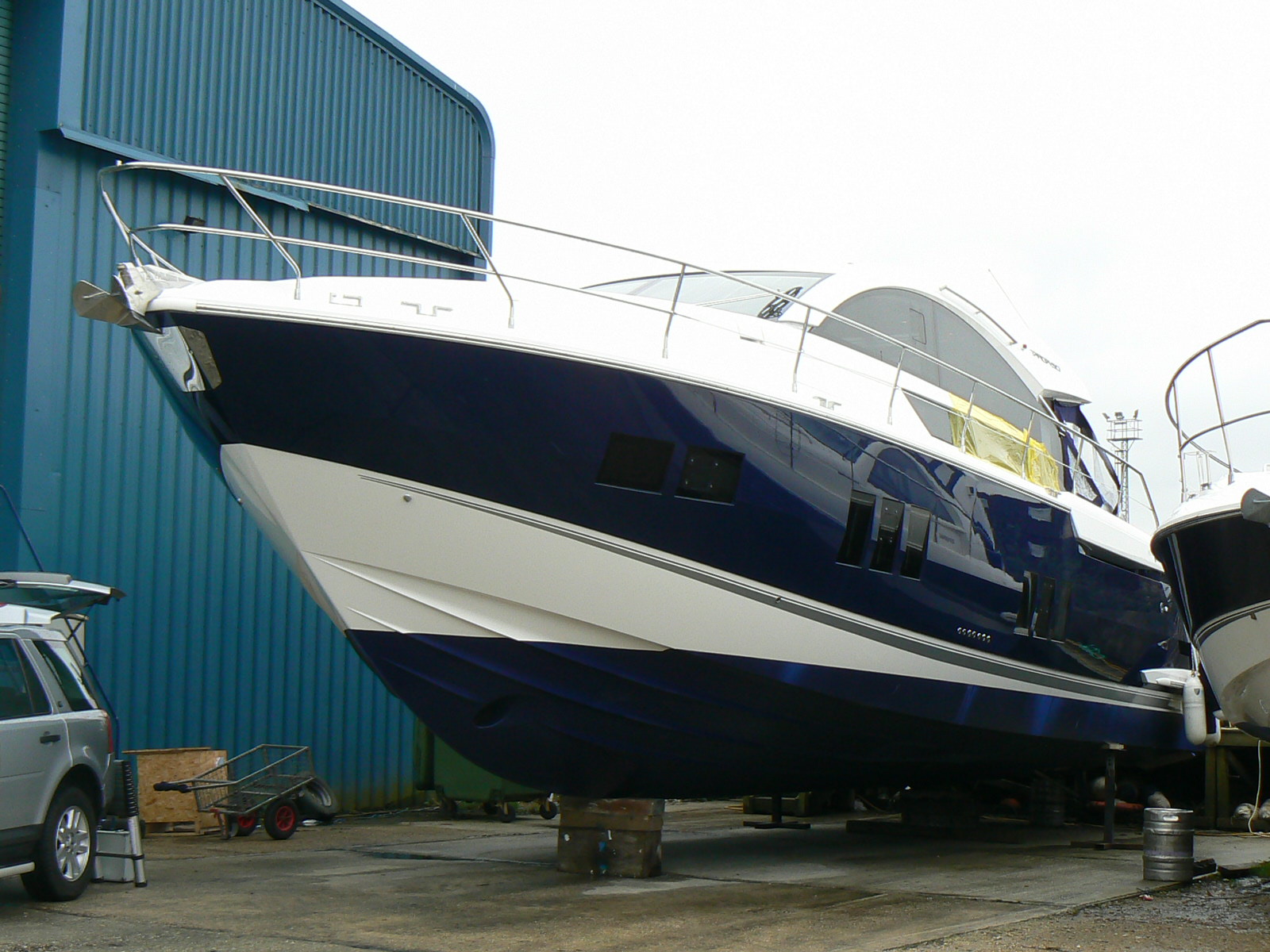
For Sale in Essex
We are currently representing a private client who sold his boat through a yacht broker, whereby the ‘boat specification’ ie what was sold with the boat and what was actually present (viewed) on the boat, but not part of the ‘sale agreement’ is in dispute
The first lesson to be learnt is that when selling or buying – detail / list all items included in the sale
Moving on the buyer having taken delivery of the boat subsequently suffered some damage when mooring.
The claim is that had the missing equipment (thought to have been included in the sale) been available on the boat at time of mooring, then the vessel would not (possibly) have suffered damage
All this is open to dispute and argument, however when selling or buying make sure you get full information / detail as to what is or not included to avoid potential future and expensive litigation
Watch this space for further news and updates
For more information contact European Marine Services Ltd. Marine Surveyors & Consultants
EMS also undertake Boat Safety Inspections
Tel : 01603 327 123 www.europeanmarinesurveys.com
Marine Surveying & Boat Access
Marine Surveyor – Access
‘When undertaking a marine survey it is useful to have access to ALL areas’
During a recent inspection of a GRP motor yacht I was faced with a bit of a dilemma.
The vessel has a separate bilge for the diesel tank forward of the engine bay which I should access to report on the condition of the tank, filler, breather and condition of hull and other various bits.
The issue was that the GRP access panel was screwed down with about a dozens of screws. That shouldn’t be a problem I said to myself, I’ll simply remove the screws and have a look at the tank and other bits.
The real problem was that most of the screws were rusted and stuck tight. I couldn’t open the panel without damaging the GRP panel or breaking the head of screw, so at the end I couldn’t report on the condition of the bilge and diesel tank.
It is in the best interest of all parties, the buyer, the seller and the surveyor that easy access to all parts of the boat is made prior to a survey. For a start it cuts down on the time of inspection but it mainly allows the surveyor to access seacocks hidden behind varnished screwed in panels or to access rudder stock without having to empty a lazarette filled with fishing gears, fenders and tarpaulin and certainly in this instance to gain access to a diesel tank and its surroundings.
If we can’t see it or access it we can’t report on it
For more information contact European Marine Services Ltd (inc European Marine Surveys) Tel : 01603 327 12301603 327 123 www.europeanmarinesurveys.com
LPG Fire Safety on Boats – CO can killMay 13, 2014
 CO is a highly poisonous gas that weighs about the same as air.At high concentrations, CO can kill without warning, sometimes in only minutes.It cannot be seen, smelt, tasted, or felt, that’s why it’s known as the silent killer! CO is a highly poisonous gas that weighs about the same as air.At high concentrations, CO can kill without warning, sometimes in only minutes.It cannot be seen, smelt, tasted, or felt, that’s why it’s known as the silent killer!
When you breathe in CO, it replaces the oxygen in your bloodstream, preventing essential supplies to your body tissues, heart, brain and other vital organs. Where victims survive severe CO poisoning, they can be left with long-term brain damage such as poorer concentration, or causing mood swings, etc. But even breathing-in lower levels of CO over a longer period, you can still suffer serious effects such as memory problems and difficulty concentrating. |
Some people will be affected much more quickly:-
For other reasons, some people may be at higher risk:
|

LPG Fire Safety on Boats – Carbon Monoxide
180x180.jpg) |
Investigations start following the death of two people from CO poisoning.
“Each year boaters die or are made seriously ill from carbon monoxide (CO) poisoning – Boats are built to keep water out, but this also makes them good containers for gases and fumes.” |
When carbon-based, appliance and engine fuels, such as gas, LPG, coal, wood, paraffin, oil, petrol and diesel don’t burn completely, CO is produced.
CO build-up in the cabin can occur with one or a mix of these factors:
- with faulty, badly maintained, or misused appliances
- exhaust fumes from a boat’s engine or generator
- escaped flue gases from solid fuel stoves
- blocked ventilation or short supply of air – fuels need the right amount of oxygen to burn safely
10 tips to keep you alive!
For more detail read the information on the pages linked by the buttons on the left, or click next – How the silent killer works! or download the pdf booklet by clicking on the image on the right |
 |
Copyright belongs to the owners of the Boat Safety Scheme and CoGDEM jointly.
This information may be freely reproduced, except for advertising, endorsement or commercial purposes. Please acknowledge the source as Boat Safety Scheme & CoGDEM.
 BSS Home
LPG Fire Safety on Boats – Portable LPG
Boat owners are advised to avoid using portable gas appliances with integral gas canisters on board boats
Boat owners to treat all such portable gas equipment with great respect and change fuel canisters away from the boat and sources of ignition.Even portable gas equipment can cause an explosion big enough to send people to hospital.Escaped lpg from only one can form a flammable gas cloud the size of 250 cans.In the poorly ventilated, tight confines of a boat escaping gas is more dangerous than when it happens ashore out in the open.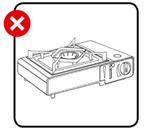 |
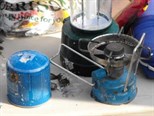 An explosion on the Norfolk Broads saw two people taken to hospital for treatment for burns to their legs, hands and faces.The explosion happened when the gas canister of a camping stove was being changed in the open cockpit of a small sailing boat where candles and cigarettes were in use. An explosion on the Norfolk Broads saw two people taken to hospital for treatment for burns to their legs, hands and faces.The explosion happened when the gas canister of a camping stove was being changed in the open cockpit of a small sailing boat where candles and cigarettes were in use. |
Think about the alternatives, for example, if all you want is a hot drink onboard a day boat, a flask is probably the simplest and safest way. If wanting light, some battery powered or wind-up LED lights will last for ages and are far easier to use than gas lanterns.
Where a simple cooker is needed aboard, think about installing a marine spirit stove as an alternative to a portable gas stove.
Anyone using a portable gas appliances has to be completely familiar with the correct and safe way of operating the appliance, from taking out of its storage case to fitting new fuel canisters.
- Only use portable appliances onshore.
- Stow the canisters, used or unused and any appliance if it has a canister inserted, in a self-draining gas locker, or on open deck where any escaping gas can flow overboard.
- Be familiar with the operating instructions before use.
- Before you start, check the appliance’s condition, if the gas canister seal looks damaged, or if the appliances or gas canister is extremely rusty and deteriorated, do not use it.
- To avoid gas leaks and carbon monoxide poisoning check that all equipment has been correctly assembled before turning it on.
- Never attempt to fit a new canister to an appliance when aboard, wait until you are onshore.
- Before fitting a canister, put out all open flames and smoking materials.
- Ensure that you have the correct type of gas canister for your appliance and that it is being inserted in the right place and in the right way.
- If you smell or hear gas leaking before attempting to light an appliance, don’t use it.
- If any gas is leaking, ensure that it is being dispersed in free air well away from the boat or any sparks or other sources of ignition.
Inland waterway regulations do not ban portable gas equipment on boats, but when not in operation, any appliance with a canister fitted and all spare gas canisters, empty or full, must be stowed in lockers that are self-draining, or on open deck areas where any leaking gas will flow overboard. The risk of causing a pool of explosive vapour inside the boat must be avoided.
LPG Fire Safety on Boats – BBQs
 |
Never use a barbecue (BBQ) on board a boat – take it ashore, enjoy it safely and avoid the twin risks of fire and carbon monoxideBBQing off the boat reduces the risk of setting fire to decks and on-board combustible materials from the heat from the red hot charcoal or loose embers. |
| When BBQing ashore remember to be careful not to place a disposable BBQ where it could set alight wooden jetties, boardwalks, or dry grass and vegetation.BBQs need to be far enough away from the boat so that any hot embers blowing in the wind can’t reach boat furnishings, or any anything else that can burn, like newspapers or clothes. |  |
 |
BBQs need to be far enough away from the boat so that any hot embers blowing in the wind can’t reach boat furnishings, or any anything else that can burn, like newspapers or clothes.When the BBQ is lit, keep a bucket of water or your fire extinguisher nearby. |
Don’t forget the carbon monoxide (CO) risk
BBQs continue to produce dangerous amounts of CO for hours after the cooking is over.
It is never safe to have a lit or cooling BBQ in a cabin or covered cockpit area. The only safe charcoal is that which is absolutely stone-cold.
And because of the risk of both fire and CO…
…you cannot drop your guard
Before you dispose of a used charcoal double-check that it is completely cold to the touch, either
Let charcoal burn out and go cold in a safe place protected from wind, or pour water onto the fire.
Used charcoal should be disposed of responsibly.
| For more BBQ and outdoor fire safety advice go to the Fire Kills Fire safety leaflets download on Facebook |
 |
Boat Safety | Gas Alarms – LPG Fire Safety on Boats
Boat Safety Scheme
Fire prevention is always your primary protection from fire on boats but a smoke alarm can be your next line of defence, particularly if you sleep aboard. Smoke from a boat fire will affect your ability to breathe, a sensation similar to drowning. With two to three breaths of toxic smoke you could be unconscious. A working smoke alarm of the right type can warn you very quickly of the danger and buy you precious seconds to escape.
| Choices, choicesThese guidelines tell you about choosing the best types of smoke alarms for your boat, the best place to fix them and how to maintain them for maximum levels of protection. Even as a day boater if you feel at risk from being surprised by fire, please read on. Detecting fire Fires happen when you least expect them and will put you in most danger when you are in deep sleep. Boats are often full of combustible materials and highly flammable fuels, which mean that fire can spread rapidly, damaging property, injuring and killing people. But the real killers are smoke and toxic fumes which kill very rapidly. If you are asleep, your survival will almost certainly depend upon being woken very quickly before the smoke and fumes reach you. | Being alerted to a fire will help you escape.If there is a fire, a reliable smoke alarm can warn you and your family early enough to allow you to escape. Smoke alarms are cheap, and readily available in chandleries, high-street stores, supermarkets, DIY stores and online suppliers. They are easy to fit and maintain. Make a fire action plan now A reliable alarm alone, won’t by itself keep you safe. All crew and passengers must know what to do in an emergency – make a fire action plan, make sure everyone knows it, every time you sail. |
 Fit alarms and replace them when outdated (check the date label on the alarm). Fit alarms and replace them when outdated (check the date label on the alarm). |
 Never remove batteries and replace the batteries when they have lost power. Never remove batteries and replace the batteries when they have lost power. |
 Test alarms when returning to the boat, then at least weekly when staying aboard Test alarms when returning to the boat, then at least weekly when staying aboard |
For more information contact European Marine Services Ltd. Marine Surveyors & Consultants
EMS also undertake Boat Safety Inspections & Engine Inspections
www.europeanmarinesurveys.com
Tel: 01603 327 123
Marine surveyors ” Seven River Challenge ” Kayak Challenge
Our marine surveyors ” Seven River Challenge ” Kayak Challenge
Louis Bodmer – European Marine Surveyor
Over the recent Bank Holliday weekend I had the pleasure of taking part in a charity kayaking ‘7 River Challenge’ to raise money for Cystic Fibrosis.
With a group of Norfolk friends we decided to sail the ‘Seven Rivers’ from Norwich to Wroxham in 3 days in Kayaks! All 12 kayaks including a double with trusting dog set off on the River Wensum from Norwich Yacht Station at 8am on Friday morning. Tailed closely by safety boats, we aimed to reach the Berney Arms Pub at the mouth of Breydon water by the early evening. This proved to be a challenging long first day with 7hrs 30minutes of paddling. But thanks to our Navigator, the tide was ebbing in the right direction encouraging us along. A welcomed fresh Pint and a warm fire pleasantly awaited us at the pub.
The following morning had to be an early start to ensure we would have the tide running with us across the large stretch of Breydon water. It was a beautiful still morning welcomed by the early morning call of the Oyster Catcher and wild geese as the sun rose over the misty calm water. The wilderness soon disappeared and the urban landscape and road bridge loomed ahead. As we paddled under the Yarmouth bypass bridge there was the yellow post leading us into the River Bure to what felt like the beginning of the way home. We struggled a bit against the tide as we came towards the yacht station in Great Yarmouth, but we were glad to know a hearty breakfast was awaiting us. Moral was boosted knowing we were aiming for the Lion Inn (not a lie in!) at Thurne for the night.
With our two longest paddling days past, up the Ant we paddled two by two as far as Ludham Bridge. We then turned back towards Wroxham and home, celebrating by 4pm on Sunday. Easily said, but it was a long last leg!
In total we raised over £3000 with approximately 55 miles of paddling!
Thank you all for your support.
OIL SPY – Pre Season PreparationMarch 26, 2014
Marine Surveyor – Recommendations
Hi There – Boat Owners
In this blog European Marine Surveys are offering advice for Pre-Season Preparation
OIL SPY
Ideal pocket – toolbox tool for immediate results. For all marine enthusiasts whether commercial users, hire fleet operators, private boat owners …..in fact any powered vessel. Most owners know their engines and our OILSPY test will help you to fully understand what is going on internally in your engine.
This is not a replacement for laboratory oil analysis but an additional tool for instant ‘on site’ visual results. Advance notification of any oil deterioratiobn is a certain method of safeguarding your engines from any possibility of component or lubrication breakdown/failure.
If you are thinking of buying or selling a boat then an instant test can give you a good indication of oil condition and will help in identifying coolant leaks, fuel dilution, oxidation, sediment, sludge formation and wear debris. Each boxed kit contains 20 test cards. Consider taking your boat for an engine service……take a test before and after……..was the engine flushed and the oil changed….OILSPY can tell you. Buying a used boat…take a test run, take the OILSPY test……you only need a drop of warm oil from the dipstick to give you peace of mind on engine condition
Oil Spy – For less than £ 26.00 per box (plus P&P) of 20 test cards
For more information contact European Marine Services Ltd (inc European Marine Surveys) 01603 327 123 end_of_the_skype_highlighting www.europeanmarinesurveys.com